
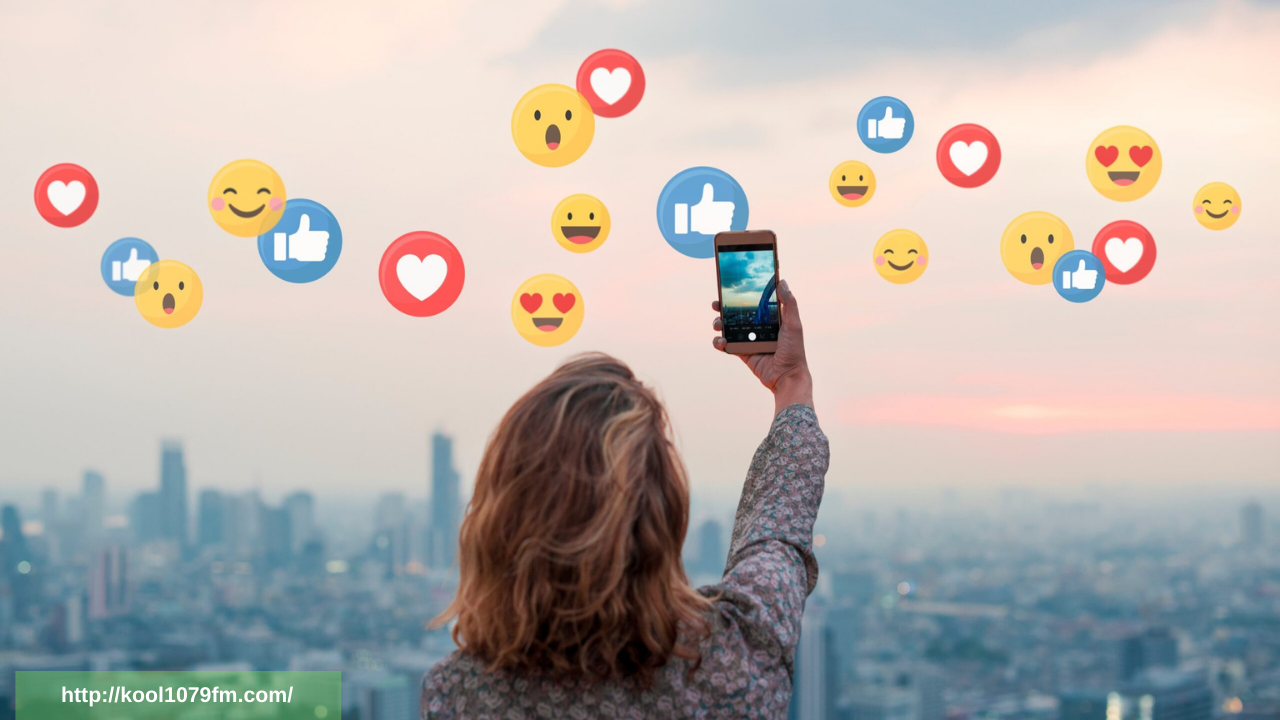
In recent years, social media has become a popular space for conversations about mental health. Platforms like TikTok, Instagram, and YouTube are filled with videos where influencers share personal experiences, tips, and sometimes even self-proclaimed diagnoses. While these discussions can raise awareness and reduce stigma, they also carry risks. When influencers diagnose conditions without professional training, they blur the line between helpful conversation and harmful misinformation. For people already struggling with depression, anxiety, or addiction, this can have serious consequences.
The Appeal of Influencer Mental Health Content
Social media influencers often speak in relatable ways, sharing their struggles and offering comfort to those who feel alone. For individuals hesitant to seek therapy or unsure where to start, this kind of content can feel validating. It normalizes conversations around topics that were once hidden in shame, such as substance use, trauma, or mood disorders.
However, while influencers may provide encouragement, they are not a substitute for clinical expertise. Mental health conditions are complex, and diagnosing them requires careful evaluation by licensed professionals. Oversimplifying symptoms or offering one-size-fits-all advice can mislead viewers into believing they understand their condition without ever seeking appropriate care.
The Risks of Unverified Diagnoses
When influencers diagnose themselves or their audiences, they often do so without the context of professional assessment. This can lead to:
- Self-diagnosis errors: People may mislabel normal stress as anxiety disorders or confuse occasional sadness with clinical depression.
- Delayed treatment: Believing an influencer’s advice might discourage someone from reaching out for professional help.
- Stigma reinforcement: Simplified narratives may unintentionally promote harmful myths, such as “addiction is just a choice” or “mental illness is easy to overcome with willpower.”
- Unsafe coping strategies: Viewers may adopt untested methods that could worsen symptoms or interfere with recovery.
Why Professional Accuracy Matters
Accurate information saves lives. Licensed therapists, counselors, and medical professionals use evidence-based approaches to guide treatment. They recognize that mental health is shaped by a combination of biological, emotional, and social factors. Addiction recovery, for example, cannot be addressed through quick online tips. It requires structured treatment, compassion, and support systems designed to meet the unique needs of each person.
At Kool 107.9’s community partners, we believe in holistic and individualized care. Our inpatient and outpatient programs integrate science-based treatment with faith-based and holistic practices, ensuring that clients receive comprehensive support. Unlike influencers offering generalized advice, our approach is tailored to the whole person—mind, body, and spirit.
How to Navigate Mental Health Content Online
Check the Source
Always ask: Is this person qualified to give medical or therapeutic advice? Lived experiences matter, but they do not replace clinical training.
Look for Balance
Content that validates emotions can be helpful, but it should also encourage seeking professional support.
Avoid Quick Fixes
Be cautious of advice that promises overnight recovery. True healing is a process that requires time and guidance.
Seek Reliable Resources
Organizations such as NAMI, the CDC, or licensed treatment centers provide trustworthy information that can supplement recovery efforts.
A Safer Path Forward
Social media can be a tool for connection, but it should never replace professional care. If you or a loved one is navigating addiction or mental health challenges, turning to qualified experts is the best way to find lasting healing.
Reach out today to learn about our holistic, faith-based, and individualized programs. Together, we can replace confusion with clarity and misinformation with the truth that heals. Your journey toward recovery deserves more than quick fixes—it deserves compassionate, professional support.
