
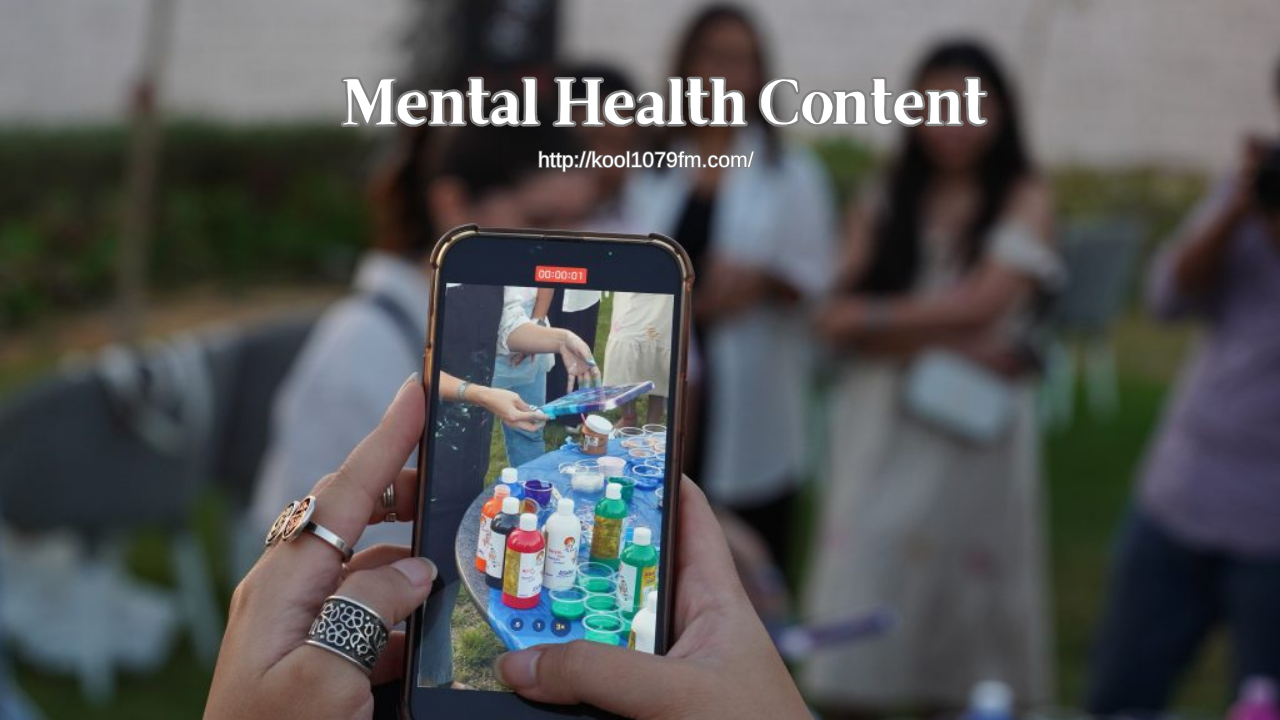
Open any social media platform today and you will find endless advice on how to manage stress, anxiety, depression, or even addiction. TikTok, Instagram Reels, and other short-form video platforms have become the go-to sources for millions seeking quick mental health tips. While some of this content can be helpful, much of it is misleading, oversimplified, or downright harmful. For people already struggling with mental health or addiction issues, the challenge lies in separating fact from fiction in this overwhelming sea of advice.
The Allure of Quick Mental Health Content
Short-form video is popular because it is fast, relatable, and easy to consume. A thirty-second clip promising relief from anxiety or addiction cravings may feel accessible compared to scheduling an appointment with a professional. For many, this content feels like a lifeline in moments of distress.
However, mental health and recovery are complex. There is no single breathing exercise, affirmation, or trendy technique that can replace the depth of professional care. Relying solely on TikTok or Reels for guidance can delay proper treatment and worsen symptoms over time.
The Dangers of Misinformation
Oversimplified Solutions
Many creators present mental health tips as one-size-fits-all solutions. For example, suggesting that exercise alone can cure depression or that positive thinking eliminates addiction risk. While healthy habits are important, recovery requires a comprehensive approach that addresses physical, emotional, and spiritual needs.
False Authority
Not all influencers sharing mental health advice are qualified. Some may mean well, but without professional training, their advice can lead people in the wrong direction. For those in crisis, misinformation can increase hopelessness or encourage unsafe coping mechanisms.
Normalizing Unhealthy Behaviors
Social media trends sometimes glamorize substance use or make light of serious mental illnesses. These messages can create stigma or prevent individuals from seeking proper treatment.
Finding Reliable Guidance
Verify the Source
Look for advice backed by licensed mental health professionals or accredited treatment centers. Reputable sources will often cite research, use clear disclaimers, and avoid promising instant results.
Balance Online Content with Professional Care
Online resources can serve as conversation starters, but they should never replace professional treatment. Inpatient or outpatient care, therapy, and holistic programs offer structured support that short-form content cannot provide.
Build a Supportive Environment
Surround yourself with people and resources that encourage healing. Limit exposure to content that increases stress, shame, or cravings, and instead follow accounts that promote evidence-based care and positivity.
A Holistic Approach to Recovery
At Kool 107.9 FM’s community partners, we understand the confusion that comes with navigating today’s digital landscape. That is why our programs are rooted in compassionate, individualized care. Through addiction recovery services, mental health treatment, and holistic, faith-based approaches, we help individuals cut through misinformation and find real solutions. Whether inpatient or outpatient, our treatment options are designed to meet people where they are and guide them toward lasting healing.
Choosing Truth Over Trends
TikTok and Reels can bring awareness to mental health, but they cannot replace professional care. The real journey to recovery is not found in quick fixes but in compassionate, evidence-based treatment that addresses the whole person.
If you or someone you love is feeling overwhelmed by conflicting online advice, know that help is available. Reach out today to find support rooted in truth, healing, and hope. With the right guidance, lasting recovery is possible.
