
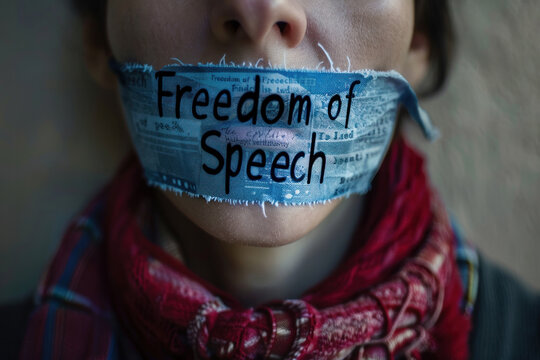
In the digital age, where billions of people communicate, share, and consume information online, content moderation has become a hot-button issue. Social media platforms, search engines, and online forums are tasked with maintaining safe and respectful environments, while also respecting users’ rights to free expression. The tension between censorship and free speech has sparked global debates, legal battles, and policy shifts, highlighting the complexities of moderating content in an open society.
The Role of Platforms in Content Moderation
Tech giants like Facebook (Meta), Twitter (X), YouTube, and TikTok play a central role in determining what content stays online and what gets removed. These platforms use a combination of automated tools and human moderators to enforce community guidelines, addressing issues like hate speech, misinformation, harassment, and explicit content.
While these rules aim to protect users from harm and ensure platform integrity, they also grant private companies immense power over public discourse. Decisions about what is permissible are often opaque and inconsistent, leading to accusations of bias and suppression.
Free Speech in the Digital Era
Freedom of speech is a fundamental right in many democracies, enshrined in constitutions and international human rights agreements. However, this right is not absolute. Most legal systems recognize limits on speech that incites violence, spreads false information with harmful intent, or constitutes defamation.
The challenge lies in applying these principles to online spaces, where content can go viral in minutes and reach global audiences. Social media companies are not government entities, so they are not legally bound by constitutional free speech protections. This distinction allows them to set their own rules but also places them at the center of ongoing free speech controversies.
The Accusations of Censorship
Critics argue that content moderation often crosses the line into censorship, especially when it involves the removal of political opinions, controversial viewpoints, or culturally sensitive topics. High-profile cases of content takedowns—such as those involving election misinformation or pandemic-related claims—have fueled claims of ideological bias and unfair suppression.
Some governments have also used content moderation demands to exert control over narratives, pressuring platforms to silence dissent or critical voices. This dynamic has led to concerns about government overreach and the erosion of democratic freedoms.
The Push for Transparency and Accountability
In response to these concerns, there has been a growing call for more transparency and accountability in how content moderation decisions are made. Advocates urge platforms to clearly communicate their policies, provide users with appeals processes, and publish regular reports on enforcement actions.
Legislative efforts are also underway. The European Union’s Digital Services Act and similar initiatives in the United States aim to create frameworks that balance user protection with freedom of expression. These laws seek to hold platforms accountable while preserving open dialogue online.
Striking the Right Balance
The debate over censorship and free speech is unlikely to be resolved anytime soon. Striking the right balance requires nuanced approaches that consider cultural contexts, legal frameworks, and the evolving nature of digital communication. As society continues to grapple with these issues, one thing is clear: how we moderate content today will shape the future of online discourse and democratic participation.
Content moderation is not just a technical challenge—it’s a moral and political one. Ensuring that the digital public square remains open, inclusive, and respectful will be one of the defining challenges of the 21st century.
