
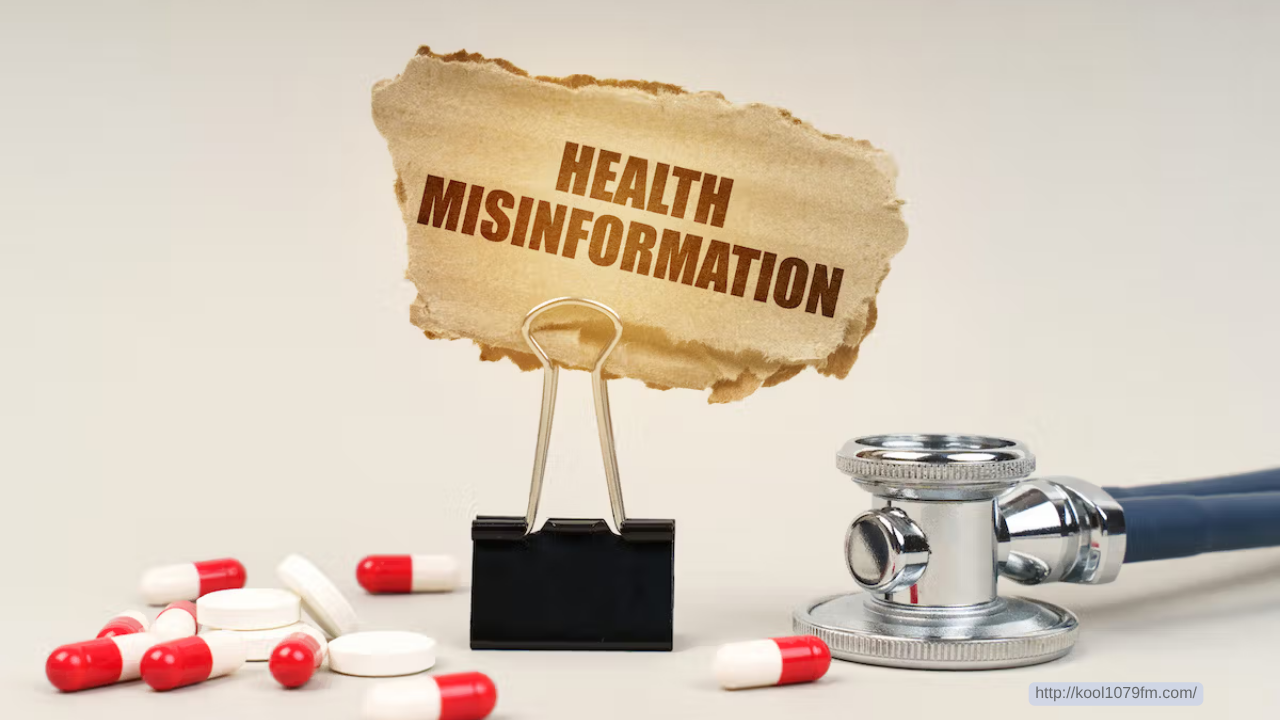
In an age where information is available at the touch of a button, misinformation about mental health has quietly become one of today’s most dangerous influences. What begins as a harmless post or viral trend can easily distort the truth, damage trust, and deepen emotional trauma. For individuals already struggling with anxiety, depression, or addiction, the impact of misinformation is not just confusing. It can be devastating.
The Hidden Emotional Toll of False Information
Confusion and Self-Doubt
When people are constantly exposed to conflicting advice, their confidence in seeking help begins to erode. One source says medication is harmful, another says therapy is useless, and others promote miracle cures. This constant contradiction creates self-doubt and fear. Instead of moving forward in recovery, many individuals retreat further into isolation, unsure of who or what to trust.
Triggering Emotional Distress
Misinformation can worsen trauma symptoms by spreading inaccurate portrayals of mental illness or addiction. A viral video that glorifies substance use, or a post that mocks people in recovery, can be deeply triggering. For someone who is already vulnerable, this type of content can intensify feelings of shame or unworthiness, often leading to relapse or self-harm.
Stigma Reinforced by Lies
False claims do more than confuse. They reinforce dangerous stigmas that make people afraid to seek treatment. When misinformation spreads ideas like “mental illness is weakness” or “addiction is a choice,” it damages the progress made toward compassion and understanding in mental health care.
The Erosion of Trust in the Digital Age
When Expertise Is Replaced by Popularity
Today, anyone with a large following can claim to be a mental health expert. While some influencers have good intentions, others share unverified advice that can do real harm. This creates a culture where popularity often outweighs professional expertise, leaving individuals vulnerable to half-truths or complete falsehoods.
The Danger of Echo Chambers
Online algorithms often feed users more of what they already believe. For example, if someone interacts with content that denies the effectiveness of therapy, they are likely to see more of the same. These digital echo chambers create a distorted view of reality that can prevent people from accessing legitimate treatment options.
Rebuilding Trust Through Truth and Compassion
The Role of Professional Care
At Kool 107.9 FM’s community partners, we believe that trust is rebuilt through truth, care, and connection. Our addiction recovery and mental health programs are designed to replace confusion with clarity and fear with hope. Through evidence-based therapies, holistic healing, and faith-centered support, individuals are guided toward understanding themselves and their challenges in a safe, nurturing environment.
Empowering Through Education
The best defense against misinformation is education. Knowing how to identify credible sources, question online claims, and seek professional evaluation are essential steps toward protecting mental wellness. True healing begins when individuals are equipped with accurate information and guided by compassionate professionals who care deeply about their recovery journey.
Finding Hope Beyond the Noise
Misinformation may be widespread, but it does not have to define your path. Healing comes from truth, not trends. When you choose to work with licensed professionals who understand addiction, trauma, and mental health at their deepest levels, you begin to reclaim control over your story.
If misinformation has left you feeling lost, unsure, or afraid to reach out, now is the time to reconnect with truth and compassion. Contact a trusted mental health provider today and take the first step toward real recovery and peace of mind.
