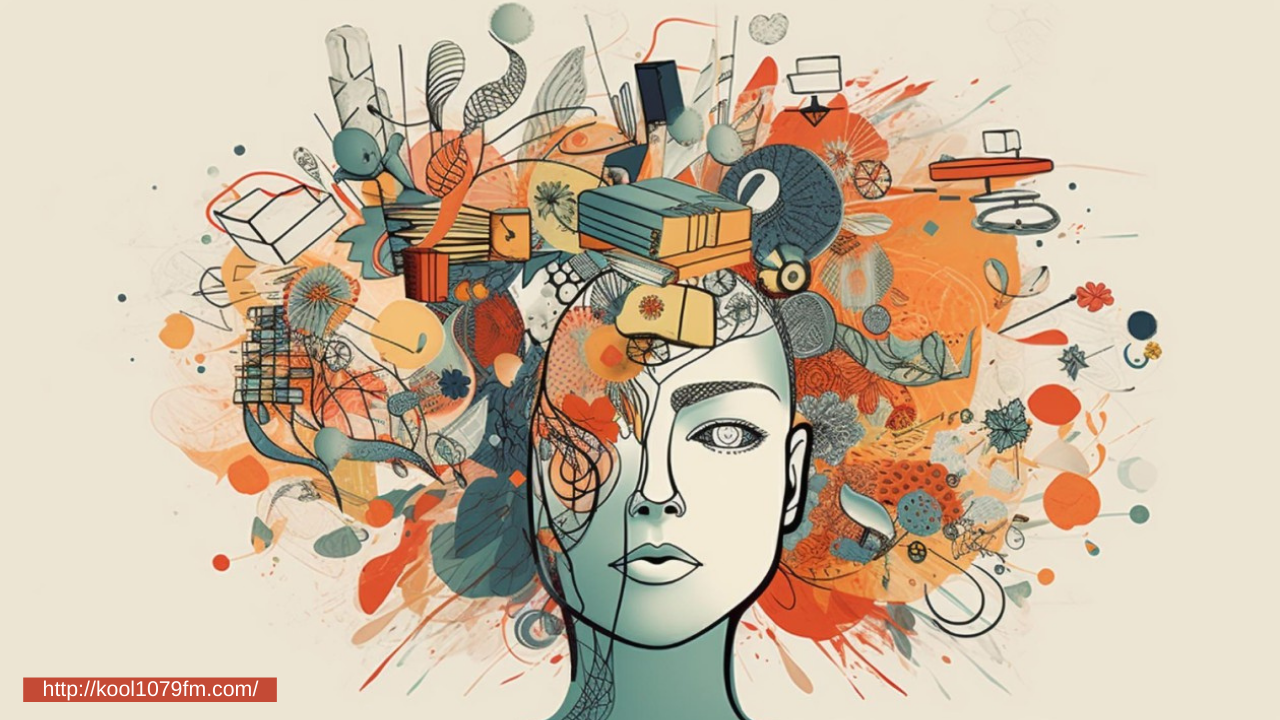
• In today’s connected world, mental health advice is everywhere. Social media platforms provide instant access to tips, personal stories, and viral trends, while scientific research and clinical guidance offer evidence-based approaches for lasting recovery. The problem is that these two sources do not always align. For individuals struggling with addiction, anxiety, depression, or other mental health challenges, separating helpful guidance from misinformation can feel overwhelming. Understanding the balance between social media influence and science is essential for safe and effective healing.

    The Power of Social Media in Mental Health Conversations

    Social media has played a major role in destigmatizing mental health. Influencers and creators share personal stories about recovery, coping strategies, and therapy experiences. This accessibility has encouraged more people to seek help and discuss challenges openly.

    However, social media can also be a double-edged sword. Viral posts sometimes simplify complex conditions or promote unverified solutions. Quick-fix advice, trendy “life hacks,” or anecdotal experiences may appeal to users but are not always reliable. For someone navigating addiction or mental health struggles, relying solely on social media guidance can delay access to professional treatment and support.

    How Viral Trends Can Mislead

    Some popular social media trends suggest that certain behaviors or routines can “cure” depression or addiction overnight. For example, following a specific diet, meditation challenge, or self-help routine may feel empowering but is rarely sufficient to address underlying mental health issues. Misinformation like this can create unrealistic expectations, leading to frustration or self-blame when results do not materialize.

    The Role of Science in Recovery

    Scientific research and clinical expertise remain the foundation of effective mental health and addiction treatment. Evidence-based therapies, such as cognitive-behavioral therapy, medication-assisted treatment, and holistic approaches, are supported by decades of research. These methods recognize the complexity of mental health conditions, addressing both biological and environmental factors.

    At Kool 107.9’s community partners, we combine science with holistic and faith-based practices. Our programs offer individualized care, helping clients recover in a supportive environment while tailoring strategies to their unique needs. By integrating clinical research with personalized approaches, our clients achieve sustainable progress that goes beyond temporary fixes.

    Bridging the Gap Between Social Media and Science

    It is possible to benefit from social media while still prioritizing scientific guidance. Here are practical ways to navigate the mental health information landscape:

    • Verify credentials: Look for content created by licensed therapists, psychologists, or medical professionals.
    • Check for evidence: Reliable advice is backed by studies or established therapeutic practices.
    • Balance personal stories with expert input: Anecdotes can be inspiring, but science provides the structure for safe recovery.
    • Consult professionals: Before trying new techniques, speak with a clinician to ensure the approach is appropriate for your situation.

    The Takeaway for Mental Health and Addiction Recovery

    The mental health information war is ongoing, but science remains the trusted source for lasting recovery. Social media can raise awareness and provide support, but it should not replace professional guidance. Individuals navigating addiction or mental health challenges benefit most from programs that combine scientific expertise with compassionate, individualized care.

    Next Steps Toward Reliable Support

    If you are struggling with mental health challenges or addiction, reaching out for professional help is the most important step you can take. Our inpatient and outpatient programs provide holistic, evidence-based care, helping clients build resilience, restore balance, and achieve long-term well-being.

    Do not rely solely on trends or viral advice. Contact us today to begin your journey toward real, lasting recovery. Your path to healing starts with trusted, compassionate support.

  • In a world where information travels faster than ever, not everything we see or hear is true. False claims, especially about mental health and addiction recovery, can spread quickly and influence how people view themselves and their options for healing. While some misinformation may seem harmless, the reality is that it can cause real damage to emotional stability, recovery progress, and overall mental well-being. Understanding the psychology of misinformation is the first step in protecting ourselves and others from its harmful effects.

    Why Misinformation Sticks in Our Minds

    Human beings are naturally wired to look for patterns and meaning. When we encounter a statement—especially if it’s repeated by multiple people or comes from a source we trust—it can feel true, even without evidence. Social media platforms and online communities can amplify this effect, making unverified claims about mental health appear legitimate.

    For someone struggling with addiction or depression, this can be particularly dangerous. A misleading post that discourages professional help or promotes “miracle cures” can delay real treatment and worsen symptoms. The more often we are exposed to false claims, the harder it becomes to separate fact from fiction.

    The Emotional Toll of False Information

    Misinformation does more than confuse—it impacts emotions. Hearing conflicting or inaccurate advice about recovery can create self-doubt, frustration, and hopelessness. People may start questioning whether their symptoms are real or whether proven treatments will work for them. This uncertainty can lead to increased anxiety, relapse risks, and feelings of isolation.

    For example, a person might read online that “addiction is just a lack of willpower” and internalize that message. Such a statement ignores the complex brain, body, and environmental factors that contribute to substance use disorders. Believing it can cause unnecessary shame and prevent people from seeking compassionate, evidence-based care.

    How to Protect Your Mental Health from Misinformation

    Verify the Source

    Before believing or sharing any mental health content, check who created it. Is it written by a licensed counselor, psychologist, or medical professional? Or is it based solely on personal opinion?

    Look for Evidence

    Reliable mental health advice is backed by research. If a claim cannot be supported by studies or professional consensus, it should be approached with caution.

    Avoid Quick-Fix Promises

    Recovery is a process. Be wary of tips or programs that claim to “cure” mental health or addiction in days or weeks. True healing takes time, support, and personalized strategies.

    Consult a Professional

    If you are unsure about something you read or hear, speak to a qualified therapist or treatment provider. They can help you determine what information is safe and useful for your recovery.

    A Holistic Approach to Healing

    At Kool 107.9’s community partners, we believe in treating the whole person—mind, body, and spirit. Our inpatient and outpatient programs are built on evidence-based methods while also honoring faith-based values for those who desire spiritual support. This holistic approach ensures that every individual receives care that is not only medically sound but also personally meaningful.

    Your Next Step Toward Truth and Healing

    You do not have to face mental health challenges or addiction recovery in a world of mixed messages and misinformation. Trusted, professional guidance is available, and it can make all the difference. By choosing evidence-based care, you are choosing clarity, stability, and a real path to wellness.

    If you are ready to take that step, reach out today. Together, we can replace confusion with confidence and misinformation with the truth that heals.

  • In the age of social media, advice on mental health and recovery is only a scroll away. From influencers sharing their morning routines to viral posts claiming to “heal anxiety in 30 seconds,” it’s easy to get caught up in the flood of content. But when it comes to mental health and addiction recovery, not all advice is helpful—or safe. As professionals committed to holistic, faith-based, and individualized treatment, we believe it’s time to separate helpful tools from harmful trends.

    The Rise of Social Media Therapy Trends

    TikTok, Instagram, and YouTube have become modern forums for mental health discussion. While this shift has brought mental health into the mainstream (a win in many ways), it also means that unqualified voices often get the loudest microphone. Breathing exercises, cold plunges, journaling prompts, and even “manifestation” are presented as cures for depression, trauma, and addiction.

    But here’s the truth: Mental health healing and addiction recovery are complex journeys that require more than surface-level hacks. There’s no one-size-fits-all solution, and relying on viral trends instead of expert care can delay true healing.

    What the Research Says

    Many of the techniques seen online do have a place in a well-rounded treatment plan. For example, deep breathing and mindfulness can reduce anxiety. Journaling may help some individuals process emotions. Cold therapy has been shown to have temporary mood-boosting effects.

    The danger lies in using these strategies in isolation, without the guidance of trained mental health professionals. When people struggling with addiction or severe depression skip therapy or delay seeking medical care in favor of self-help “challenges,” it can worsen their condition.

    Reliable treatment must go deeper. Addressing the root causes of addiction, trauma, and mental illness requires clinical insight, medical support, and a personalized approach—something no app or algorithm can replicate.

    Individualized and Professional Care Still Matters Most

    At Kool 107.9’s community partners, we work with individuals at every stage of recovery. Our approach is holistic, faith-based, and rooted in compassion. We know that healing takes time, support, and personalized care.

    Whether someone needs inpatient services to safely detox or outpatient therapy to manage ongoing stress and cravings, we help develop a plan that meets the whole person—not just the symptoms. We also offer therapies that go beyond traditional talk therapy, including art therapy, group counseling, and spiritual care.

    We respect that some people find value in tools they discover online. But we also know that no social media trend can replace the safety and effectiveness of real, evidence-based care.

    How to Spot Misinformation Online

    When evaluating mental health content online, ask these questions:

    • Is the creator a licensed therapist, counselor, or medical professional?
    • Are the claims backed by science or just personal experience?
    • Does the advice promote balance, or does it promise quick fixes?
    • Does it encourage you to seek help, or suggest you can do it all alone?

    Remember: real recovery involves connection, support, and vulnerability—not isolation.

    Taking the Next Step Toward Real Healing

    You don’t have to navigate mental health challenges or addiction recovery alone. If you’ve tried popular trends and still feel stuck, that’s not a failure—it’s a signal that it’s time for deeper healing. There’s no shame in reaching out for help. In fact, that step is the strongest one you can take.

    Our team is here to listen, support, and walk with you toward lasting recovery. Whether you’re seeking mental health treatment, addiction recovery services, or faith-based guidance, we’ll meet you where you are and help you move forward.


    Need help now? Contact us today to learn more about our individualized inpatient and outpatient care options. Healing is possible—and it starts with the truth.