
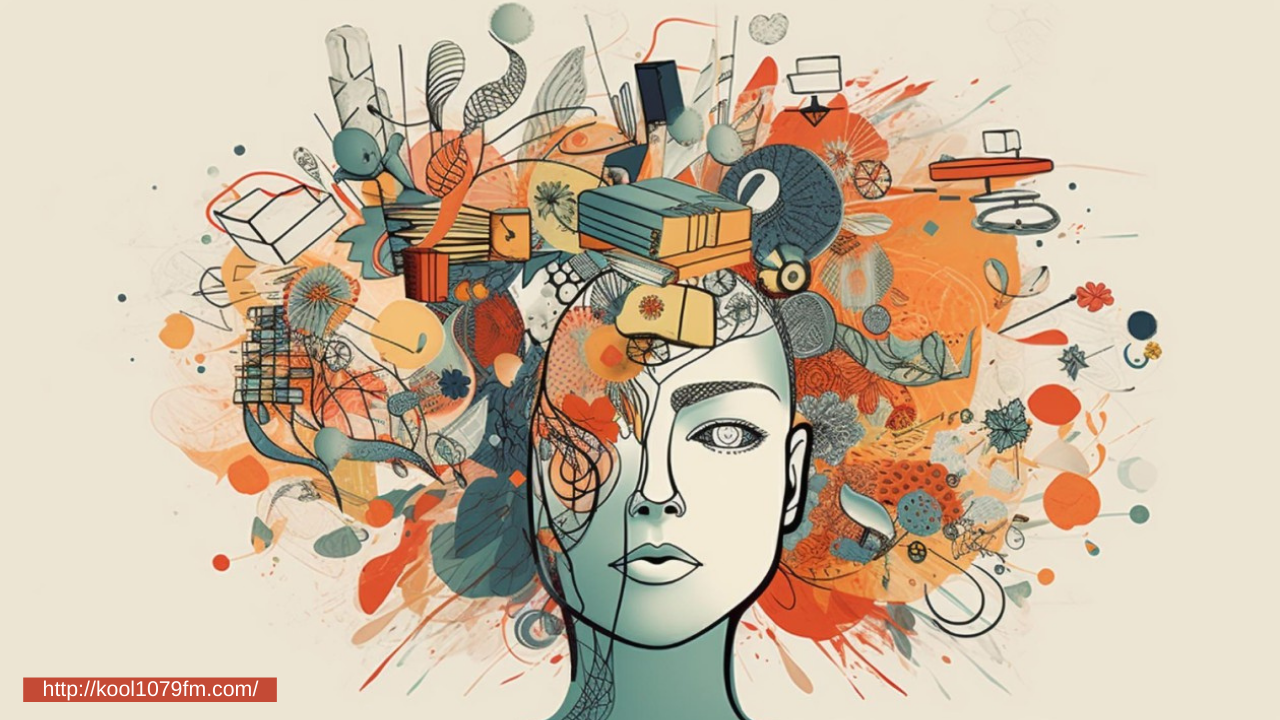
In today’s connected world, mental health advice is everywhere. Social media platforms provide instant access to tips, personal stories, and viral trends, while scientific research and clinical guidance offer evidence-based approaches for lasting recovery. The problem is that these two sources do not always align. For individuals struggling with addiction, anxiety, depression, or other mental health challenges, separating helpful guidance from misinformation can feel overwhelming. Understanding the balance between social media influence and science is essential for safe and effective healing.
The Power of Social Media in Mental Health Conversations
Social media has played a major role in destigmatizing mental health. Influencers and creators share personal stories about recovery, coping strategies, and therapy experiences. This accessibility has encouraged more people to seek help and discuss challenges openly.
However, social media can also be a double-edged sword. Viral posts sometimes simplify complex conditions or promote unverified solutions. Quick-fix advice, trendy “life hacks,” or anecdotal experiences may appeal to users but are not always reliable. For someone navigating addiction or mental health struggles, relying solely on social media guidance can delay access to professional treatment and support.
How Viral Trends Can Mislead
Some popular social media trends suggest that certain behaviors or routines can “cure” depression or addiction overnight. For example, following a specific diet, meditation challenge, or self-help routine may feel empowering but is rarely sufficient to address underlying mental health issues. Misinformation like this can create unrealistic expectations, leading to frustration or self-blame when results do not materialize.
The Role of Science in Recovery
Scientific research and clinical expertise remain the foundation of effective mental health and addiction treatment. Evidence-based therapies, such as cognitive-behavioral therapy, medication-assisted treatment, and holistic approaches, are supported by decades of research. These methods recognize the complexity of mental health conditions, addressing both biological and environmental factors.
At Kool 107.9’s community partners, we combine science with holistic and faith-based practices. Our programs offer individualized care, helping clients recover in a supportive environment while tailoring strategies to their unique needs. By integrating clinical research with personalized approaches, our clients achieve sustainable progress that goes beyond temporary fixes.
Bridging the Gap Between Social Media and Science
It is possible to benefit from social media while still prioritizing scientific guidance. Here are practical ways to navigate the mental health information landscape:
- Verify credentials: Look for content created by licensed therapists, psychologists, or medical professionals.
- Check for evidence: Reliable advice is backed by studies or established therapeutic practices.
- Balance personal stories with expert input: Anecdotes can be inspiring, but science provides the structure for safe recovery.
- Consult professionals: Before trying new techniques, speak with a clinician to ensure the approach is appropriate for your situation.
The Takeaway for Mental Health and Addiction Recovery
The mental health information war is ongoing, but science remains the trusted source for lasting recovery. Social media can raise awareness and provide support, but it should not replace professional guidance. Individuals navigating addiction or mental health challenges benefit most from programs that combine scientific expertise with compassionate, individualized care.
Next Steps Toward Reliable Support
If you are struggling with mental health challenges or addiction, reaching out for professional help is the most important step you can take. Our inpatient and outpatient programs provide holistic, evidence-based care, helping clients build resilience, restore balance, and achieve long-term well-being.
Do not rely solely on trends or viral advice. Contact us today to begin your journey toward real, lasting recovery. Your path to healing starts with trusted, compassionate support.
