
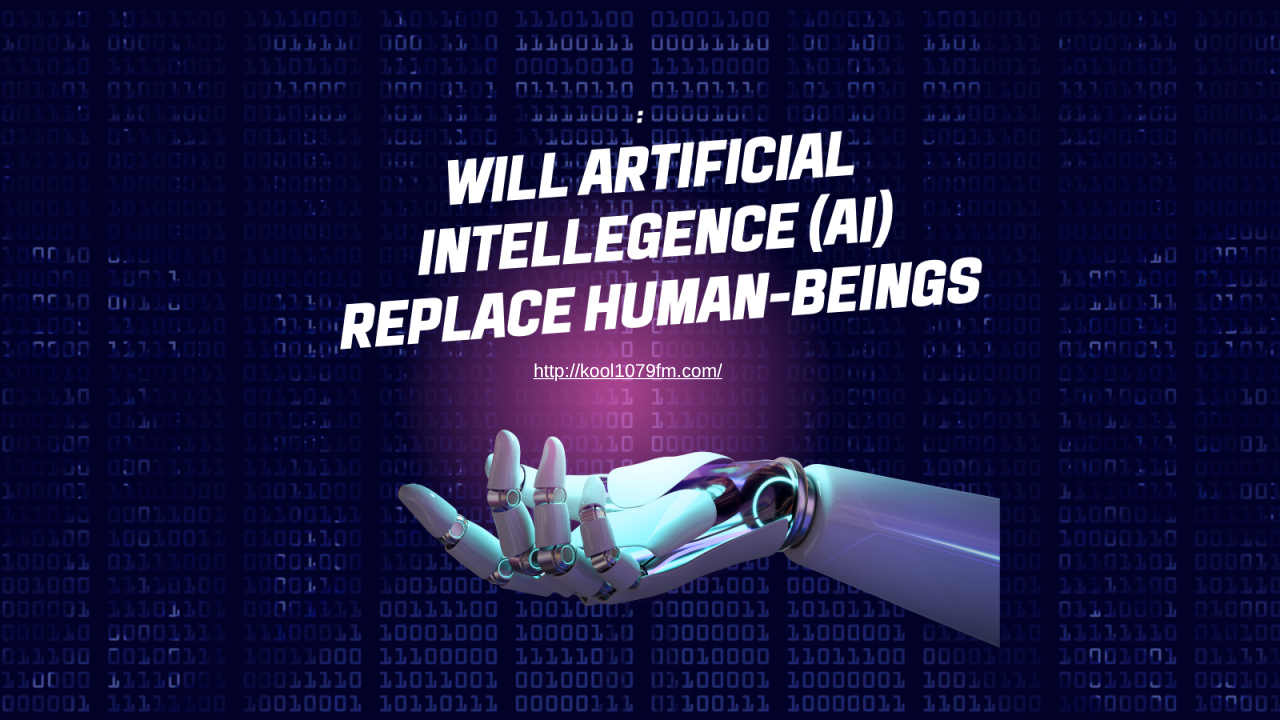
The integration of artificial intelligence into the media industry is accelerating, and one of the most intriguing developments is the rise of AI-generated news anchors. Once limited to science fiction, AI news broadcasters are now a reality in some parts of the world, thanks to rapid advancements in machine learning, natural language processing, and realistic avatar technology. This technological leap raises important questions about the future of journalism, viewer trust, and the role of human broadcasters.
The Emergence of AI News Anchors
AI anchors are computer-generated avatars powered by artificial intelligence that can deliver news stories, weather reports, and other updates with human-like speech, gestures, and facial expressions. Countries like China have pioneered this technology, with news agencies debuting AI presenters who can work around the clock without breaks, salaries, or human error. These AI systems can be programmed to speak multiple languages, adjust tone and style, and instantly update scripts as news unfolds.
Potential Benefits
The adoption of AI anchors offers several advantages. First, they provide cost savings for media companies, especially in regions or smaller markets where staffing live newsrooms can be financially challenging. AI anchors can deliver news continuously, ensuring 24/7 coverage without fatigue. They also eliminate the risks of bias or personal error that might come from human broadcasters.
Additionally, AI can help with accessibility by providing news in multiple languages or formats more efficiently. It can also support hyperlocal coverage by generating tailored news segments for specific communities using automated data collection and analysis.
The Human Element and Viewer Trust
Despite these benefits, the prospect of AI replacing human anchors raises concerns about authenticity, trust, and connection. Human broadcasters do more than read the news—they provide empathy, context, and credibility. Audiences often form bonds with familiar news personalities, valuing their insights, experience, and ability to respond thoughtfully to breaking events.
There’s also the ethical question of transparency. Viewers must be clearly informed when content is delivered by AI rather than a human journalist. Without such disclosures, the use of AI could blur the line between genuine reporting and synthetic delivery, potentially eroding public trust in the media.
Challenges Ahead
While AI anchors are impressive, they still face limitations. Subtle nuances in tone, emotion, and cultural sensitivity can be difficult for AI to replicate. Complex stories involving tragedy, controversy, or moral debate require human judgment that machines cannot yet match. Furthermore, overreliance on AI in newsrooms could impact employment for journalists and broadcasters, altering the media job landscape.
The Future of News Broadcasting
Rather than fully replacing human news anchors, AI is more likely to serve as a complementary tool—handling routine updates, generating scripts, or providing assistance in data-heavy reporting. The future of broadcasting will likely blend human creativity and empathy with AI efficiency and scale.
As artificial intelligence continues to evolve, media companies must balance innovation with responsibility, ensuring that technology enhances rather than diminishes the integrity and human connection at the heart of journalism.
